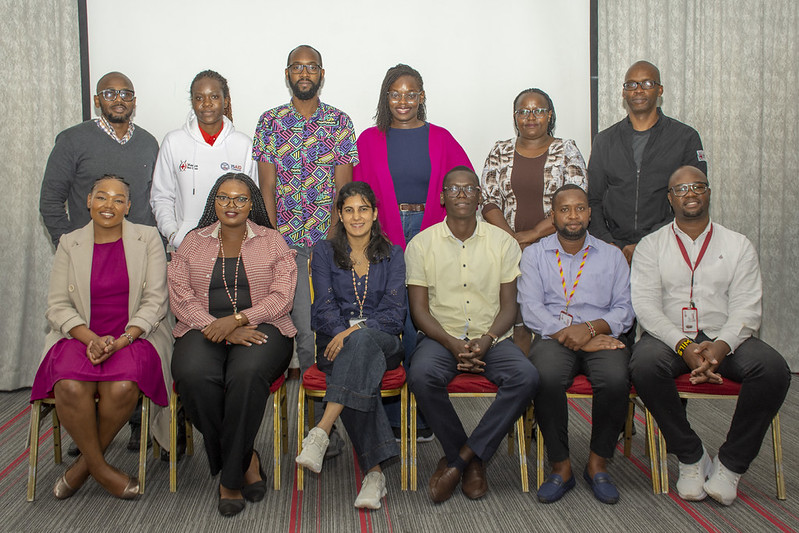
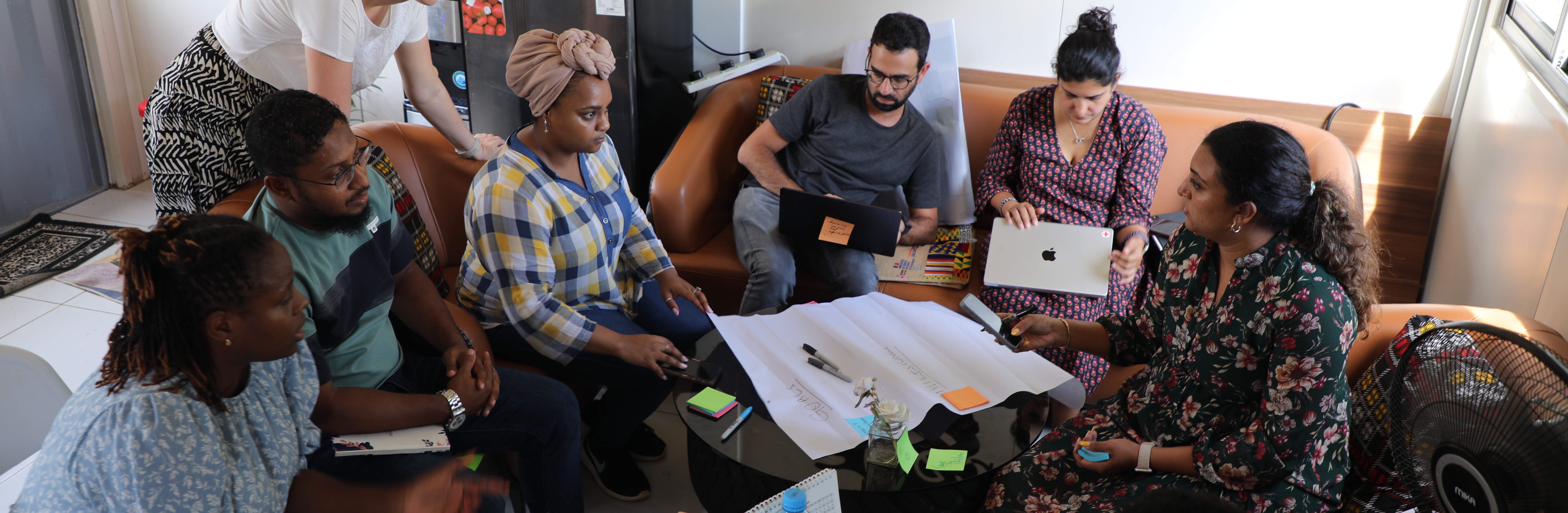
A Global South humanitarian think tank built close to the realities humanitarian decisions affect.

ICHA is a strategic asset of the Kenya Red Cross Society. We work with governments, Red Cross and Red Crescent National Societies, humanitarian and development organisations, research institutions, private-sector partners, innovators and communities to generate trusted evidence, test practical solutions and strengthen humanitarian policy and practice.

Research grounded in context. Capability connected to humanitarian action.

ICHA sits between evidence and action. Our value is not only in producing knowledge, but in working with partners to turn questions from communities, operations and policy spaces into research, intelligence, innovation and practical pathways for change.

What is ICHA?

ICHA is the humanitarian think tank of the Kenya Red Cross Society. We bring research and learning, data and evidence, innovation, and policy and advocacy into one institutional platform so partners can move from understanding a challenge to testing responses, strengthening systems and influencing decisions.

Why work with ICHA?

Because our work is connected to humanitarian practice. We combine the reach and operational experience of a National Society with research, technical expertise and partnerships that can support work at community, national, regional and international levels.

How we work together

Bring us a research question, operational challenge, policy priority, evidence gap or idea that needs to be tested. We shape the collaboration around the outcome required, from research and analysis to innovation pilots, advisory support, capacity strengthening, convening and knowledge translation.

What makes ICHA different

Our institutional position gives partners access to three qualities that rarely sit together in one place.

Global South based

Our research and partnerships start from the contexts where humanitarian risks, systems and decisions are experienced. That proximity strengthens the relevance of the questions we ask and the solutions we test.

Local, regional and international

We connect community and national realities with African research networks, regional institutions, global humanitarian actors and policy conversations.

Humanitarian backed

As part of the Kenya Red Cross Society ecosystem, ICHA works close to humanitarian operations, branches, volunteers, communities and institutional partners. Evidence can therefore be tested against operational reality and translated into practice.

Our journey

ICHA's evolution reflects a wider shift in humanitarian action: from responding to crises with experience alone, to combining operational knowledge with research, data, foresight, innovation and policy influence. Scroll through the milestones that have shaped the institution.

2012

ICHA is established within Kenya Red Cross Society

ICHA is formed as a dedicated centre for humanitarian research and learning. From the outset, the institutional idea is clear: humanitarian action is stronger when operational experience is accompanied by structured evidence, reflection and knowledge that can inform better decisions.

The centre creates a space inside a frontline humanitarian organisation where researchers, practitioners and decision-makers can work on the same questions.

ICHA research and evidence work

2015

Research is used to strengthen humanitarian policy and legal preparedness

ICHA's role grows beyond producing knowledge for internal learning. Research conducted under the centre supports national conversations on disaster law, disaster management and the systems needed to coordinate international humanitarian assistance in Kenya.

This period establishes an approach that remains central to ICHA today: evidence should not stop at publication. It should strengthen policy, institutional preparedness and the quality of humanitarian decision-making.

Policy and advocacy engagement

2019

ICHA deepens regional dialogue and expands technology-enabled humanitarian capability

ICHA co-hosts an international conference on humanitarian transition in Nairobi, bringing together practitioners, researchers, academics and policymakers to examine the changing humanitarian landscape from an African context.

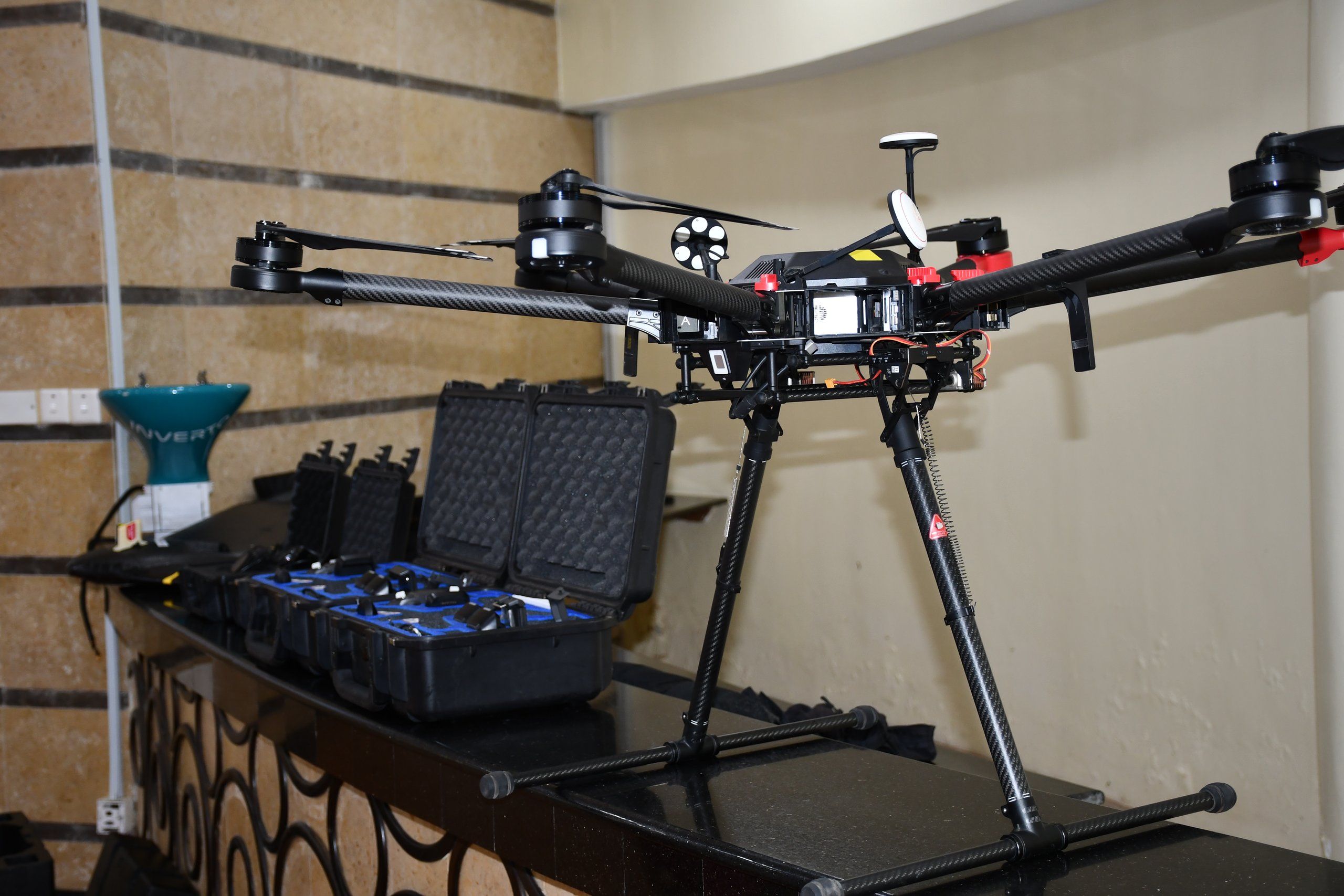
In the same period, Kenya Red Cross establishes its Remotely Piloted Aircraft Systems capability, later integrated into ICHA's wider innovation and evidence ecosystem. Drones begin supporting preparedness, response, research and the generation of field intelligence.

Drone technology supporting humanitarian action

2020

I.O.Me254 creates space for locally grounded humanitarian innovation

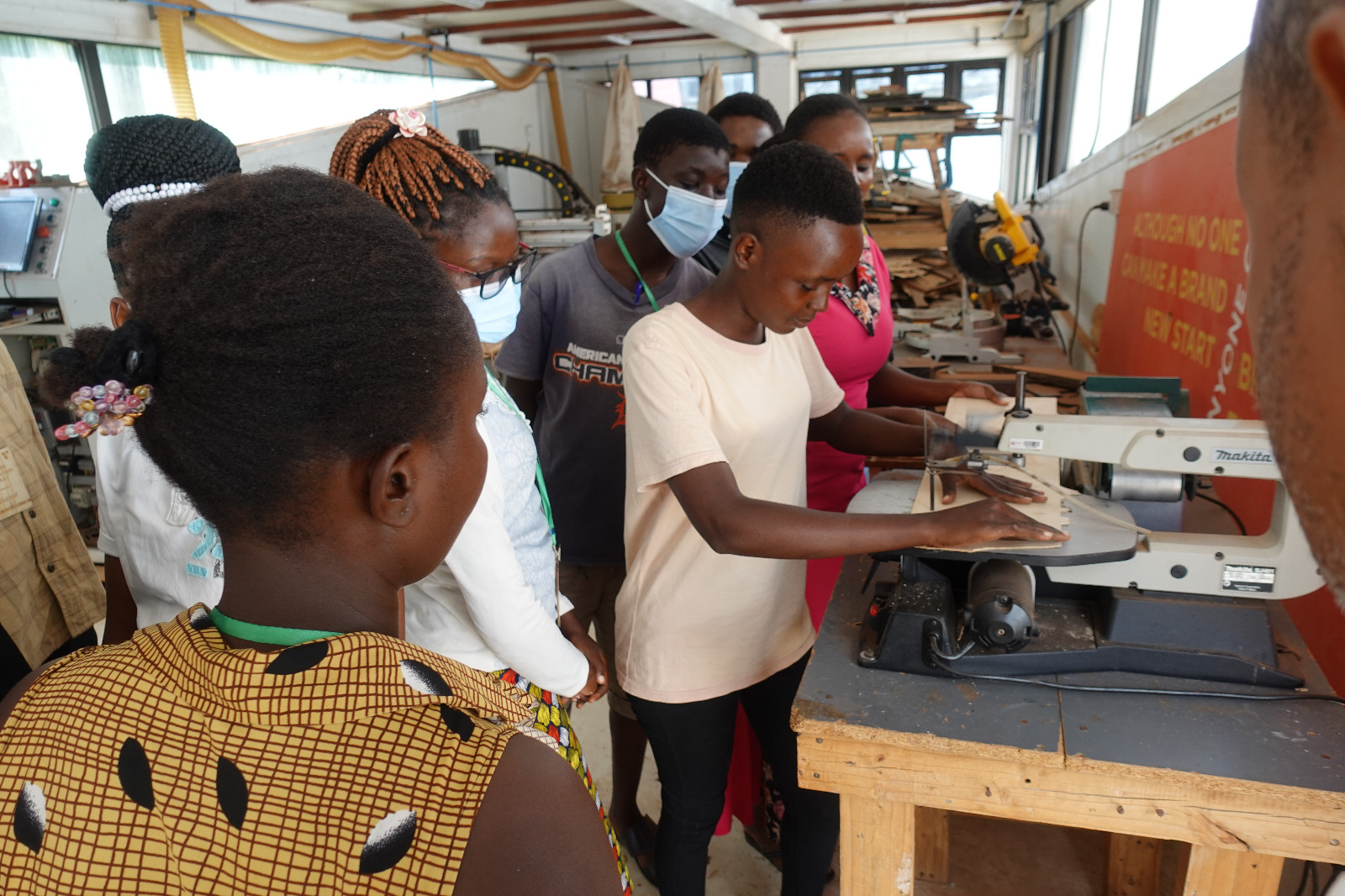
The first I.O.Me innovation hub opens in Lamu, creating a humanitarian innovation space where young people and communities can work with digital tools, prototyping equipment and innovation methods.

The model brings innovation closer to the people it is intended to serve. Rather than treating technology as the outcome, I.O.Me positions experimentation, learning and local problem-solving as the route to more relevant solutions.

I.O.Me254 humanitarian innovation space

2023

Innovation is connected to livelihoods, inclusion and local leadership

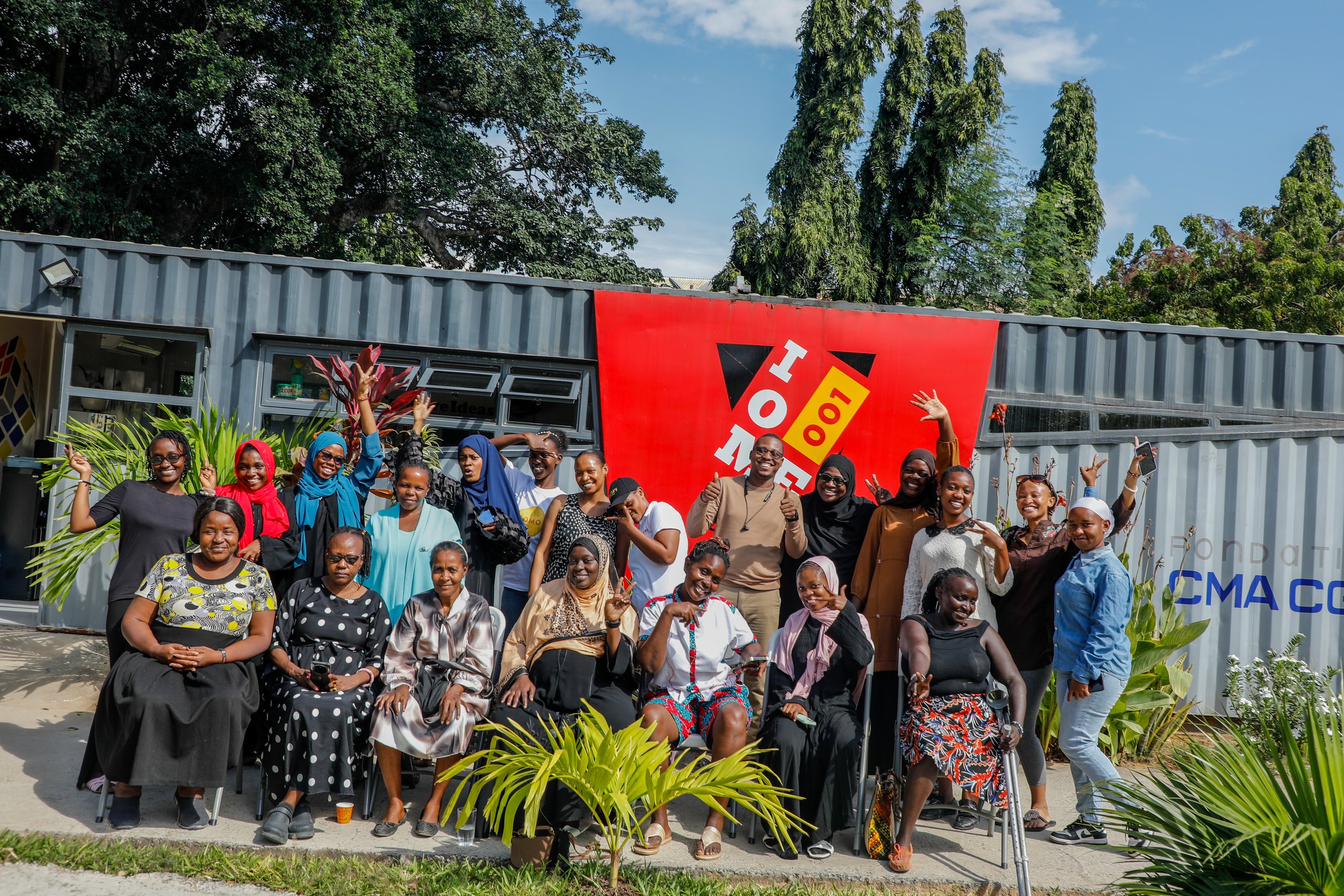
A second I.O.Me innovation centre opens in Mombasa. The Women Social Entrepreneurship Institute, developed by the French Red Cross and Kenya Red Cross Society, supports women informal entrepreneurs to strengthen their businesses, financial autonomy, networks and leadership in their communities.

The programme demonstrates a broader institutional direction for ICHA: innovation can strengthen humanitarian resilience when it is designed around people's economic realities, agency and local ecosystems.

Women Social Entrepreneurship Institute participants

2024

Climate intelligence, geospatial evidence and anticipatory action move closer to operations

ICHA's climate, data and innovation work increasingly converges around one practical question: how can better information help humanitarian actors act earlier and target response more effectively?

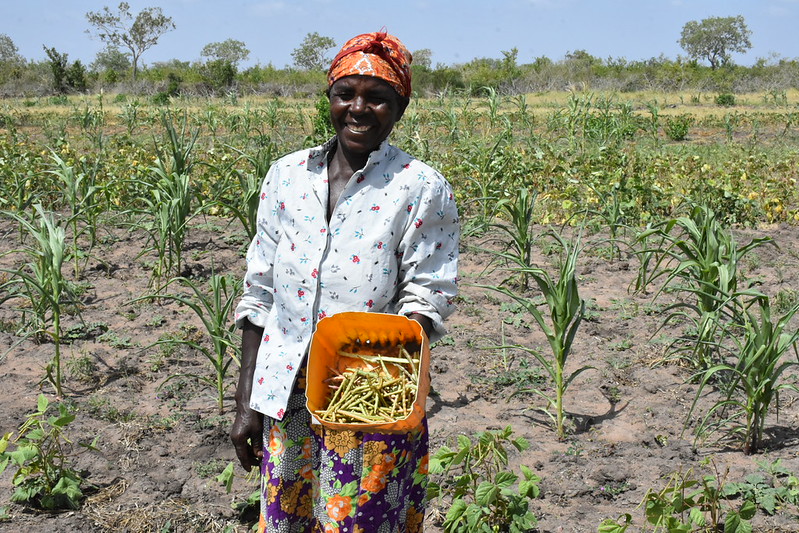
Work on anticipatory action, climate scenarios, earth observation, flood mapping, drones and high-resolution satellite imagery strengthens the connection between analysis and operational decision-making. The Kenya Anticipatory Action Roadmap 2024-2029 provides a national pathway for moving from forecast information to earlier humanitarian action.

Climate intelligence and anticipatory action work

2025

Evidence is increasingly used to strengthen institutions, localisation and policy influence

ICHA's portfolio deepens across National Society development, humanitarian diplomacy, climate resilience, localisation, migration, road safety and institutional advisory work.

The emphasis is increasingly systemic. Research is used not only to describe humanitarian challenges, but to strengthen governance, strategy, institutional capacity, partnerships and the conditions for locally led action.

Localisation and institutional strengthening work

2026

ICHA consolidates its role as an integrated humanitarian think tank

Today, ICHA brings research and learning, data and evidence, innovation, and policy and advocacy together around the priorities that matter to humanitarian actors and communities. Its work spans climate, health, migration, localisation, transport and mobility, and emerging humanitarian challenges.

Current work reflects the institution ICHA has become: Global South based, connected from local to international levels, and humanitarian backed. The focus is on generating evidence that can be trusted, testing solutions with purpose, strengthening systems and moving knowledge into policy and practice.
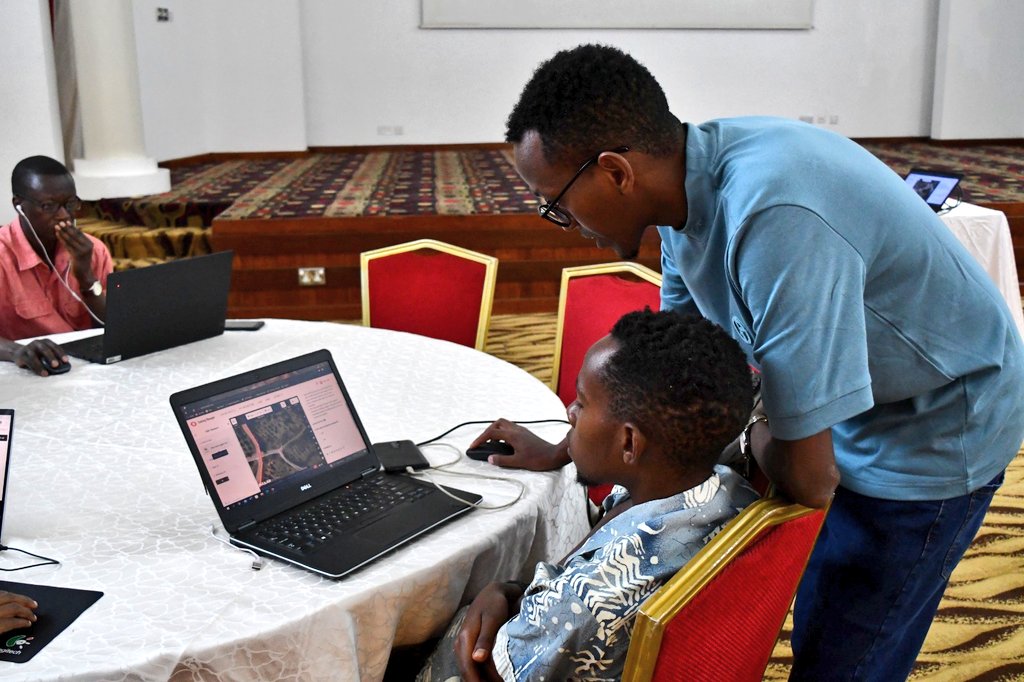
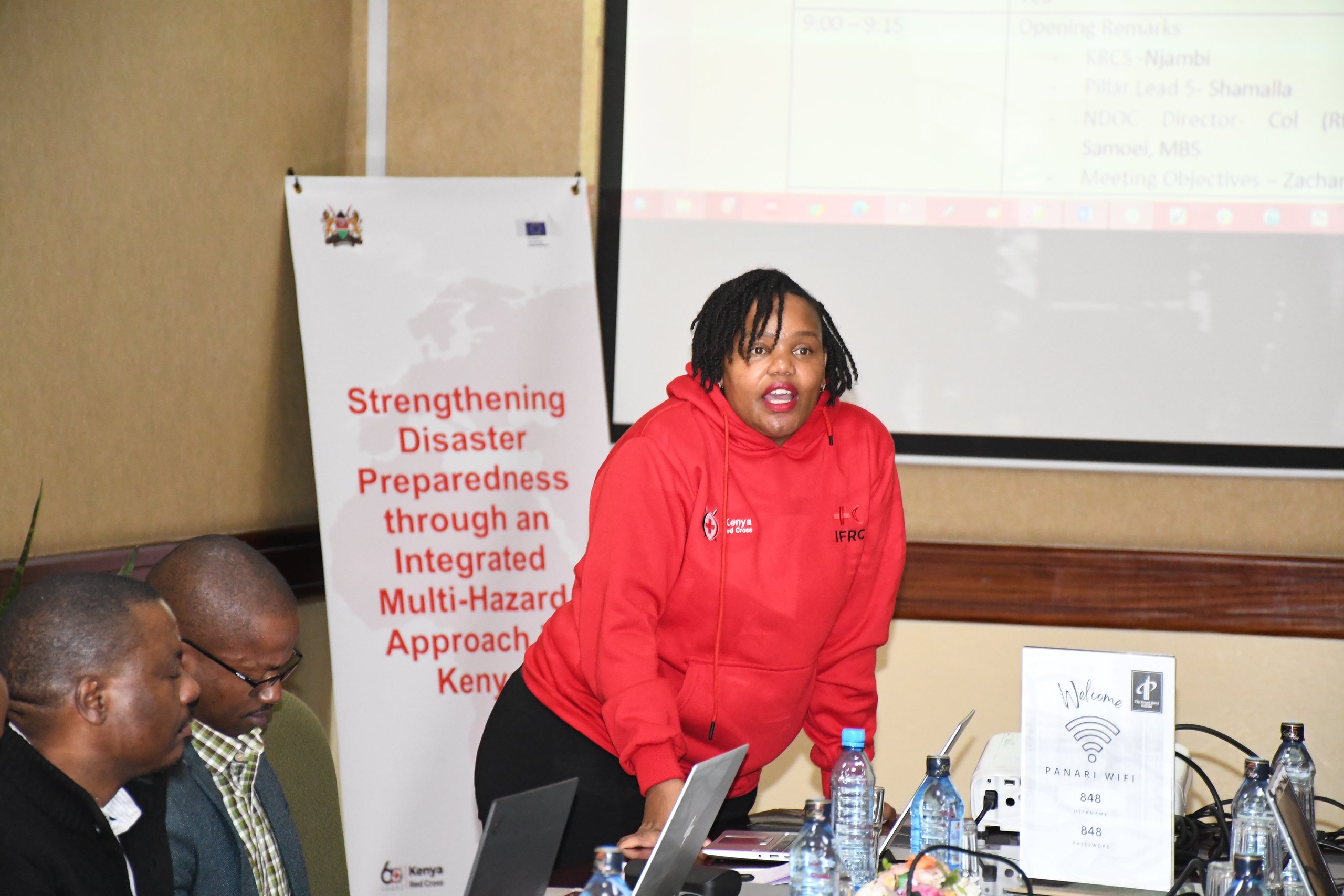
ICHA collaboration across humanitarian research, innovation and policy

Work with ICHA

Interested in working with us?

Research and evidence

Generate, synthesize and translate evidence that can inform programmes, policy and investment.

Innovation and technical collaboration

Co-design, test and strengthen practical solutions with communities, institutions and technical partners.

Policy, advisory and convening

Bring evidence into strategy, dialogue and institutional decisions across humanitarian systems.