Research & Learning
Generate knowledge, drive learning and inform action.
ICHA brings together research and learning, data and evidence, innovation, and policy and advocacy to help partners understand risk, test practical solutions and strengthen humanitarian action.
Based in the Global South and backed by humanitarian practice, ICHA works locally, regionally and internationally with institutions, partners and communities. The work below brings together the capabilities, thematic expertise, programmes and consultancy experience available through ICHA.
Generate knowledge, drive learning and inform action.
Turn data into actionable evidence for better decisions and impact.

Design and test innovative solutions to solve complex humanitarian challenges.

Influence policies and systems for more effective, inclusive humanitarian action.

Building resilience and advancing climate action for communities.

Advancing safe, inclusive and people-centred mobility that protects vulnerable road users.

Strengthening locally led humanitarian action through peer learning, institutional resilience and financial sustainability.
Within ICHA's programme portfolio, the Africa Migration Research Hub strengthens migration evidence across the continent by working with Red Cross Red Crescent National Societies, migrants, researchers and partners to generate locally grounded evidence and translate it into practical insight for humanitarian action, policy and advocacy.
Supports informal women entrepreneurs in Kenya's Coastal region to move from survival entrepreneurship towards becoming business leaders in their communities through human, economic and social capital development.
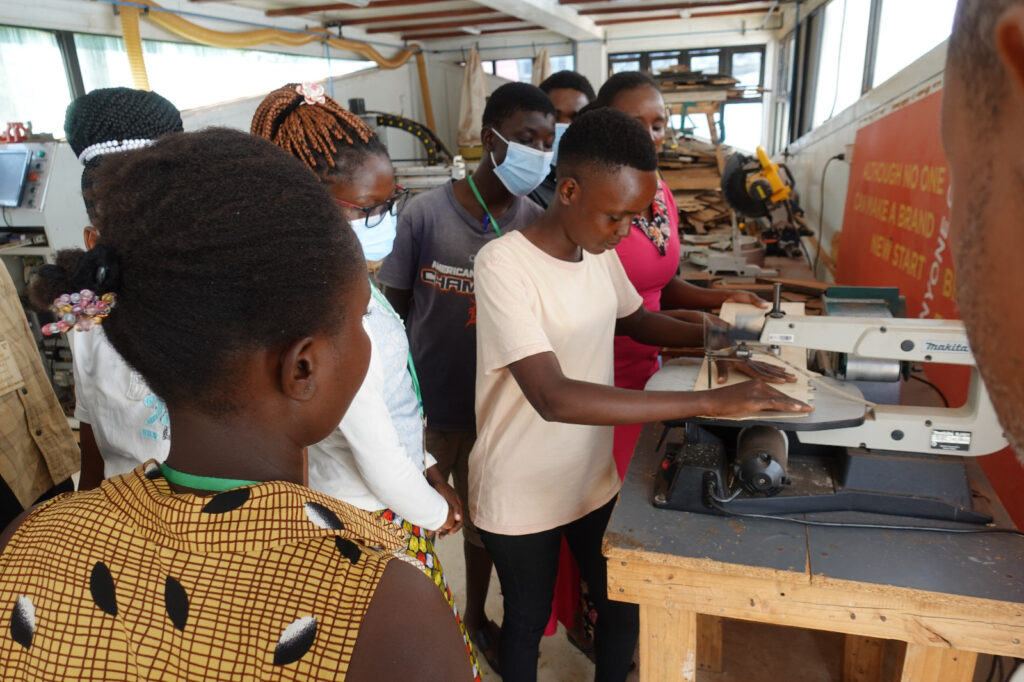
Innovation labs that create safe spaces for prototyping, training and locally led problem-solving.
ICHA's documented consultancy work includes social risk assessment and management, community and stakeholder engagement, grievance redress, safeguarding, accountability, monitoring, learning, knowledge management and capacity strengthening.
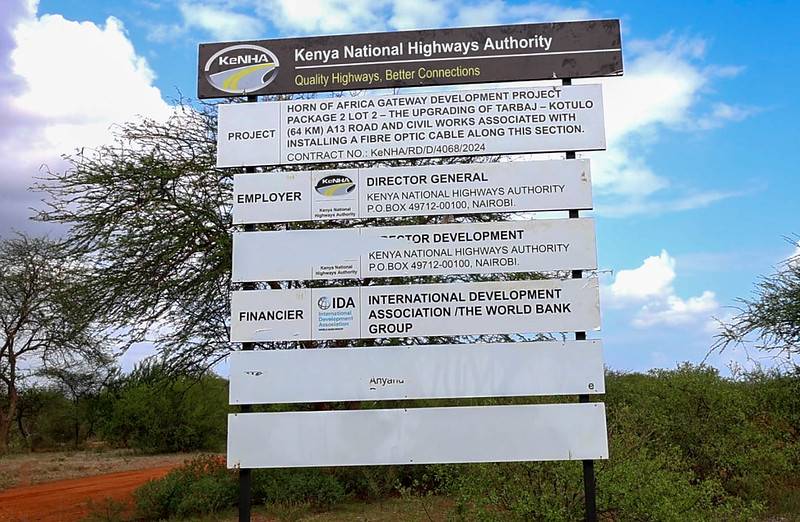
ICHA supports the Kenya National Highways Authority through a Kenya Red Cross Society-led consortium to manage social risks associated with civil works and community outreach in Wajir County.
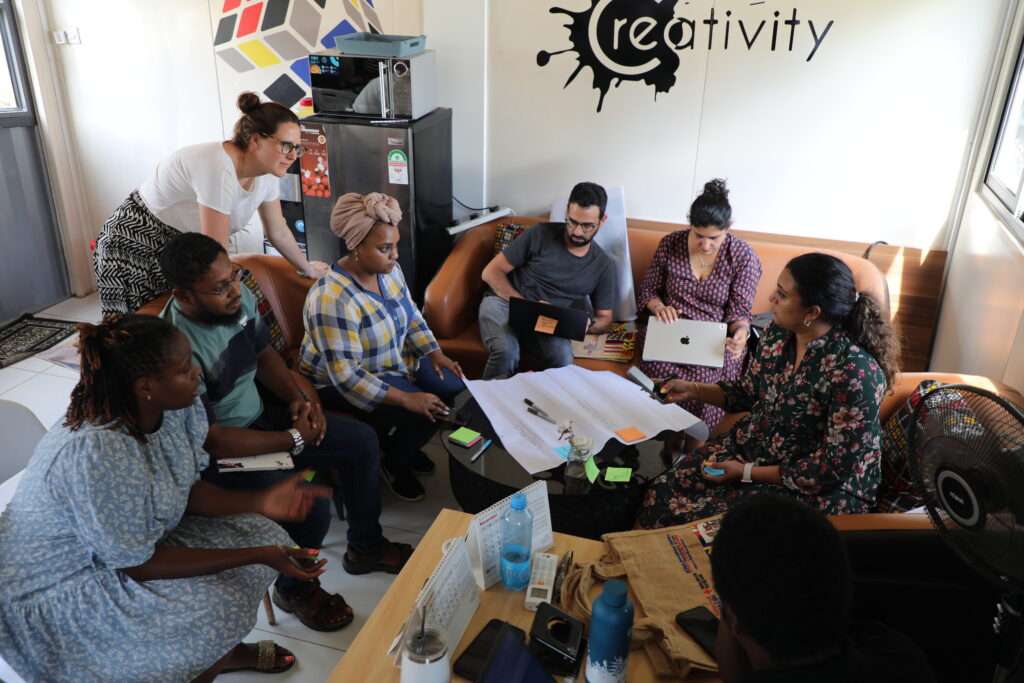
Within ICHA's Research, Data & Learning mandate, Research & Learning serves as an evidence engine for humanitarian decision-making. It generates, synthesizes and translates high-quality evidence that strengthens programmes, informs policy, supports innovation and builds continuous learning into humanitarian action.
The work bridges research, practice and policy. ICHA works with governments, humanitarian organizations, academia, communities and development partners so interventions are informed by robust data, scientific evidence and learning from implementation.
ICHA designs and implements research that responds to emerging humanitarian challenges and supports evidence-informed programming. The research portfolio includes operational and implementation research, programme and impact evaluations, baseline, midline and endline studies, rapid assessments, humanitarian needs assessments and mixed-methods research.
Subject areas identified in the research mandate include climate and health, migration and displacement, One Health and humanitarian innovation. The emphasis is on applied evidence that can improve real decisions, programme design and humanitarian outcomes.
ICHA strengthens institutional research systems so research is ethical, transparent, well administered and aligned with recognised standards. This work includes research governance frameworks, research policies and standard operating procedures, ethics systems development, institutional accreditation support, research administration platforms and research quality assurance.
The Research Governance Programme supports the establishment of robust institutional systems covering research ethics, accreditation, quality assurance and regulatory compliance.
Decision-makers often work across complex and fragmented evidence landscapes. ICHA synthesizes research into practical knowledge products that make evidence easier to interpret and apply.
Research & Learning supports organizations to measure results, improve accountability and strengthen adaptive programming. This includes MEAL framework development, Theory of Change design, results frameworks, indicator development, logframes, learning agendas, monitoring systems and evaluation methodologies.
Evidence is translated into strategic action through policy analysis, strategy development, white papers, position papers, evidence-informed decision support and humanitarian policy advisory. This connects the research function directly to institutional decision-making and policy influence.
Humanitarian Research Governance Programme: Strengthening institutional research governance systems, research ethics, accreditation, quality assurance and regulatory compliance.
Climate, Health and Humanitarian Research: Generating evidence on climate resilience, anticipatory action, vector-borne diseases, climate-sensitive health systems and community adaptation.
Humanitarian Innovation and Implementation Science: Evaluating humanitarian innovations and supporting the translation of research into solutions that can be tested, adapted and scaled.
Humanitarian Data and Learning Platforms: Supporting digital dashboards, evidence repositories, knowledge management systems and learning platforms that improve organizational decision-making.
ICHA builds institutional and individual research capability through research methods training, scientific writing, proposal development, research ethics, knowledge management, data analysis, monitoring and evaluation, and implementation science.
Research partnerships span national government ministries, county governments, national research and regulatory institutions, universities, research institutes, scientific networks, Kenya Red Cross Society, the wider Red Cross Red Crescent Movement, National Societies, international humanitarian organizations, multilateral agencies, bilateral donors, foundations, technical partners, community-based organizations, local leadership, civil society organizations and community researchers.
The objective is to generate evidence that is locally relevant, globally connected and usable by the institutions and communities that need it.
Strengthening humanitarian research governance: ICHA is building a comprehensive humanitarian research governance system that supports ethical, high-quality and policy-relevant research.
Evidence driving better humanitarian decisions: Research and data analytics support more informed programme and policy decisions across climate resilience, health, migration and disaster preparedness.
Building research capacity: Mentorship, technical assistance and institutional partnerships strengthen the capabilities of humanitarian organizations, practitioners and emerging researchers.
From evidence to policy: ICHA translates research into guidance, policy recommendations and operational improvements rather than treating publication as the end point.
The unit produces peer-reviewed journal articles, research reports, policy briefs, technical reports, evidence syntheses, situation analyses, research dashboards, humanitarian assessments, infographics, strategic reports, learning papers, white papers, position papers, annual research reports, research consultancy catalogues and institutional capability statements.
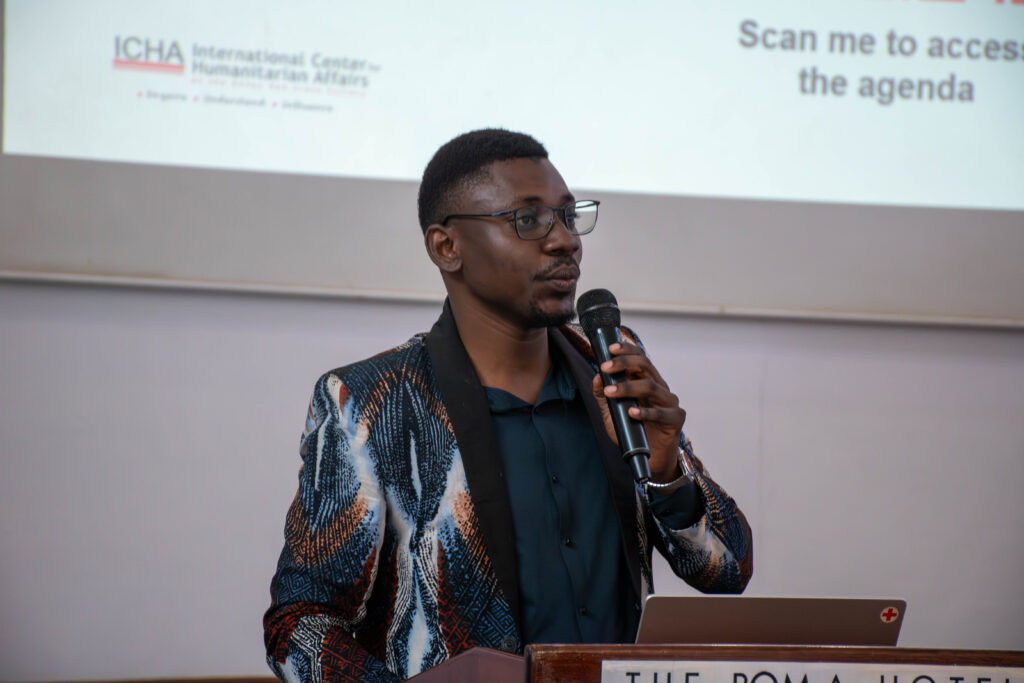
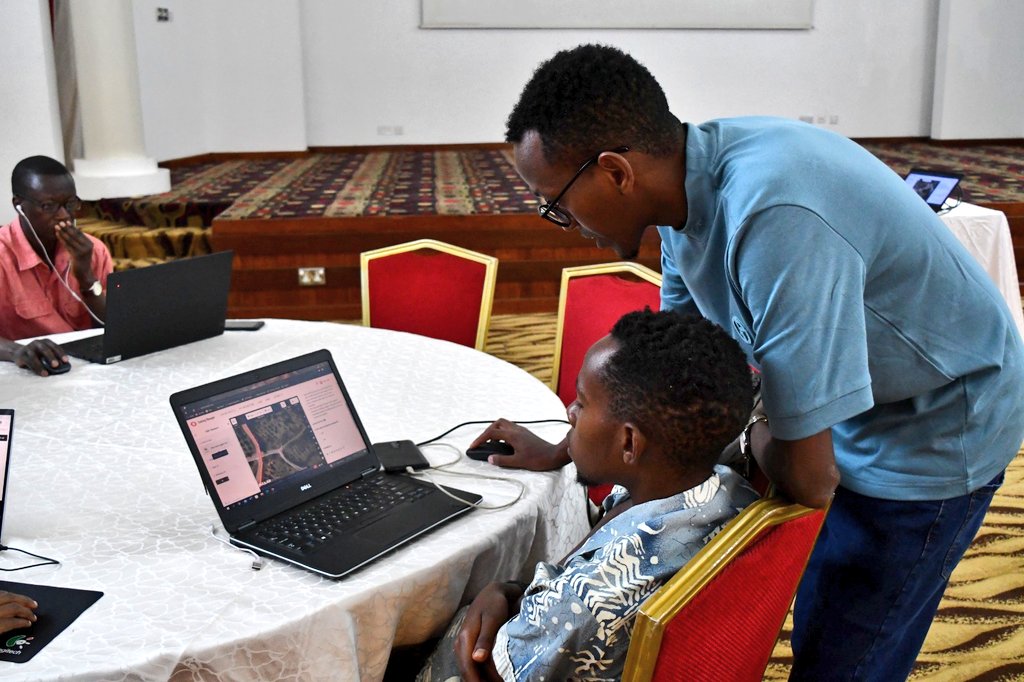
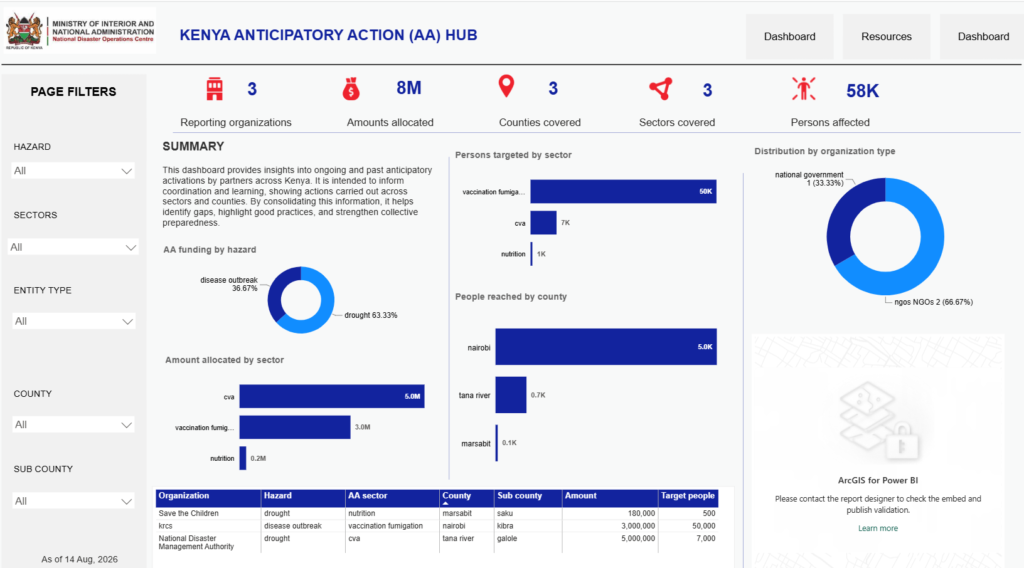
The Data Unit works across the data lifecycle, from data collection, management and quality assurance to advanced analytics and visualization, ensuring that reliable evidence is available to inform decisions.
We transform data into actionable intelligence that supports strategic planning, operational decision-making and organizational learning.
ICHA's GIS capability sits at the intersection of geospatial technology, humanitarian action and data governance. It combines earth observation, including satellite and drone mapping, advanced analytics and open mapping to help humanitarian organizations, governments and communities understand risks, anticipate crises, plan interventions and make informed decisions.
ICHA is developing this capability as a regional platform for geospatial research, innovation and learning in humanitarian action, bringing together practitioners, researchers, policymakers and communities to develop and test context-appropriate geospatial solutions.
The approach emphasizes locally led innovation, responsible data use, open knowledge and the translation of research into practical humanitarian applications. Through collaboration with academic institutions, government agencies, humanitarian organizations, technology providers and mapping communities, ICHA seeks to strengthen Africa's capacity to generate and use geospatial evidence.
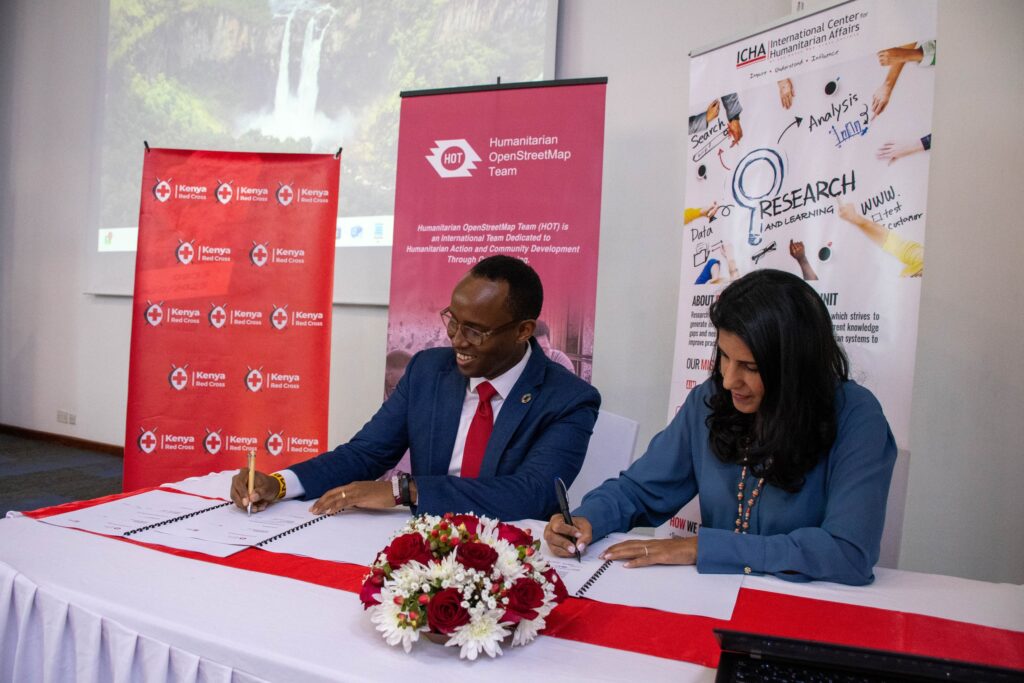
The GIS work engages regional and global partners identified in the supplied unit material, including the Airbus Foundation, IFRC and the Humanitarian OpenStreetMap Team. Donor-funded initiatives and technical partnerships help keep methods current, support open data where possible and extend learning beyond ICHA's own operations.
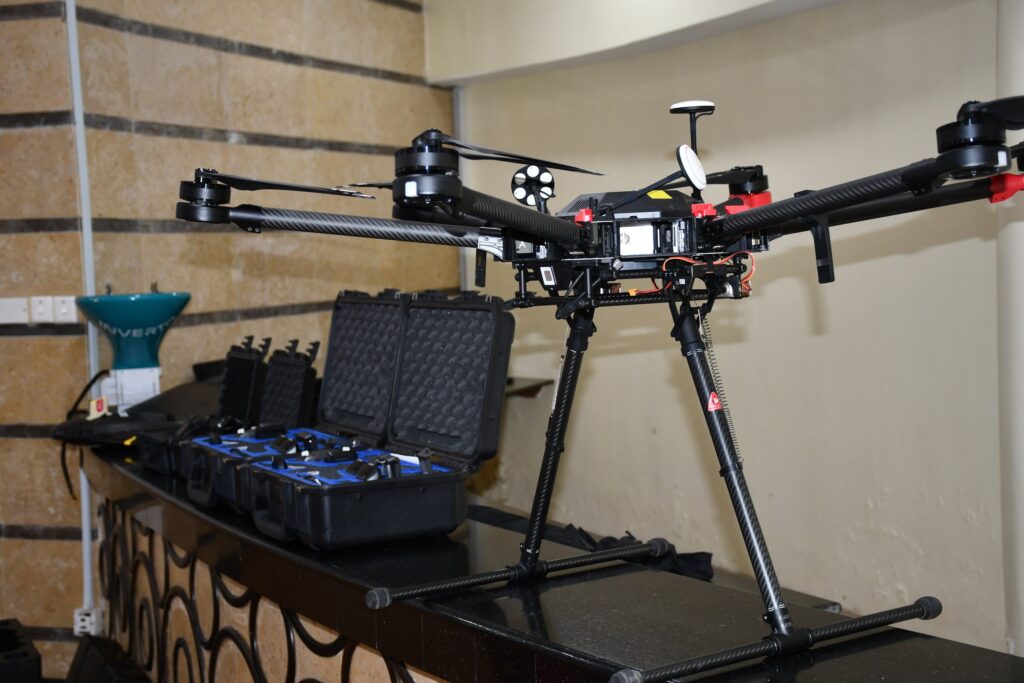
This pillar covers end-to-end rapid response mapping. It includes deploying drones for high-resolution aerial imagery, processing drone imagery alongside satellite data such as Sentinel and Pléiades, and using the resulting evidence for damage assessment, situational awareness, alerting and monitoring.
The objective is to give decision-makers an early, evidence-based picture of unfolding events so they can understand impact, identify priority areas and support faster humanitarian decisions.
GIS is integrated into programme design, implementation, monitoring and learning. Geospatial support can contribute to anticipatory action, disaster risk reduction, emergency response, climate resilience and National Society development.
The capability also maps needs, service coverage, operational reach and programme results so teams can better understand where interventions are taking place, which populations are being reached and where gaps remain.
ICHA coordinates and contributes to open mapping efforts that build and improve data layers such as building footprints and road networks. It works with community and volunteer mapping networks, including Humanitarian OpenStreetMap Team and OpenStreetMap communities, to close data gaps in underserved and high-risk areas.
This strengthens local participation in the production of humanitarian evidence while improving the base data available for preparedness, response and planning.
Advanced spatial analytics, machine learning and geospatial AI move the work from descriptive mapping towards predictive and diagnostic insight. Applications identified in the unit material include hazard modelling, classification of satellite imagery and emerging AI-assisted analysis pipelines.
This is also an applied research space where ICHA can pilot methods, document what works and share learning with the wider regional humanitarian and geospatial community.
ICHA designs structured GIS training for staff, volunteers and partner organizations, ranging from foundational GIS skills to advanced geospatial analysis. Training is built around real operational datasets and thematic humanitarian applications so learning transfers directly into practice.
Capacity strengthening can include workshop series, thematic training and applied learning that supports teams to use geospatial evidence in their own planning, analysis and decision-making.
The Kenya Red Cross ArcGIS environment provides access to geospatial resources and mapping work. Open the ArcGIS platform.
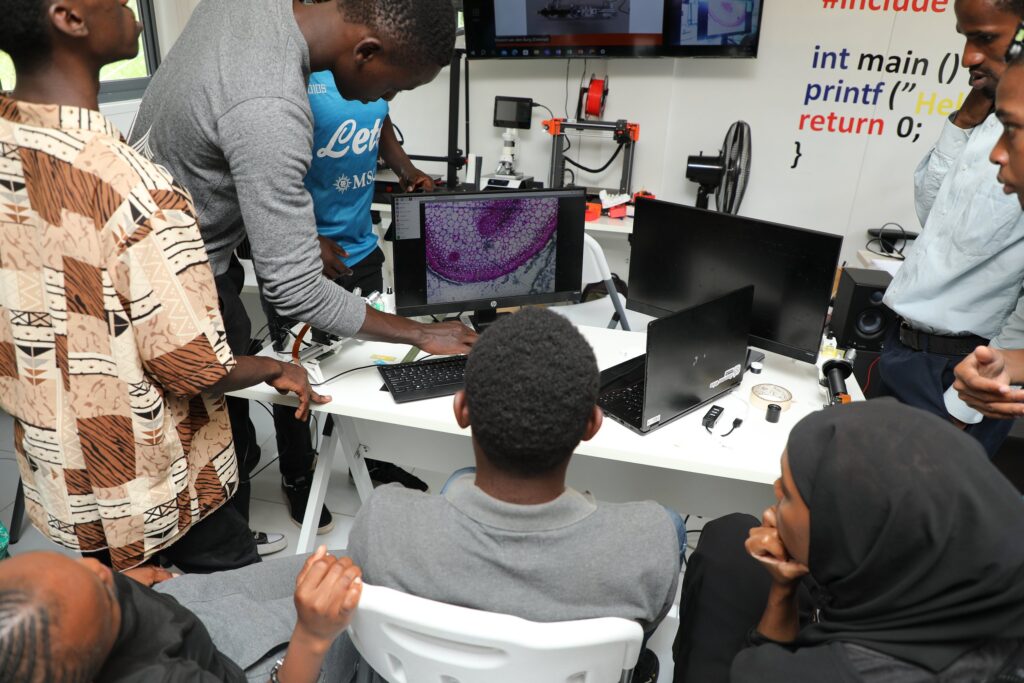
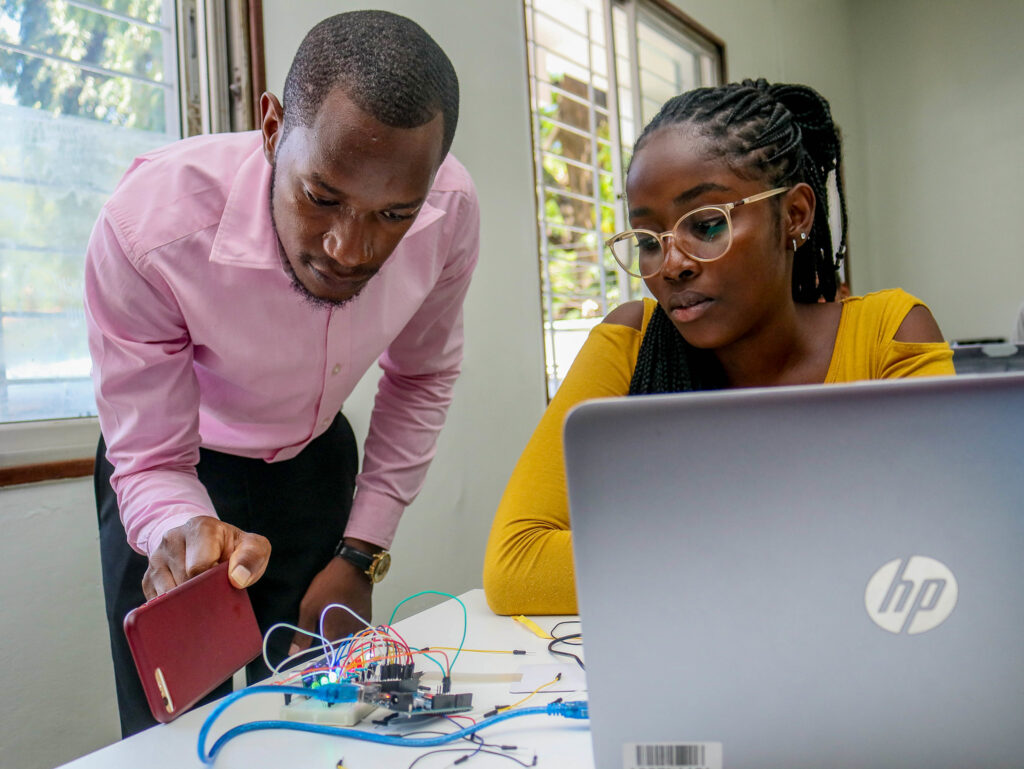
At ICHA, digital innovation is where technology meets community. ICHA designs and deploys digital tools that make humanitarian response faster, smarter and more accountable, while keeping communities at the centre of the process.
The work combines evidence generation through data collection, careful testing of emerging technologies such as artificial intelligence and blockchain, and responsible approaches to data governance, informed consent and community accountability. Innovation is treated as meaningful only when it responds to a real humanitarian problem and is shaped with the people it affects.
Every solution is expected to meet the same principles of dignity, transparency and do-no-harm practice that underpin ICHA's wider humanitarian work.
Digital solutions are built to solve humanitarian problems rather than showcase technology for its own sake. The aim is to strengthen how communities and responders prepare for, respond to and recover from crises.
Solutions are developed collaboratively with communities, grounded in evidence and designed to remain practical within humanitarian realities such as limited connectivity and resource-constrained field operations. Emerging technologies are tested in small, evidence-driven pilots so ICHA can assess real-world value, ethical implications, risks and sustainability before considering scale.
DIGID, Dignified Identities: People affected by displacement or disaster can face serious barriers when they do not have formal identification. DIGID provides digital wallets and functional digital credentials that can support access to cash assistance and healthcare services while giving individuals greater control over what information they share and with whom.
The supplied programme material documents piloting in Turkana, Mathare, Kakuma and Kalobeyei and identifies a consortium that included IFRC, Norwegian Red Cross, Save the Children and other partners, with Kenya Red Cross leading much of the field piloting. The solution was designed to function in low-connectivity settings. Explore the DIGID learning resource.
Community Inclusion Currencies: CICs are blockchain-based e-vouchers that allow community members to trade for basic goods and services when national currency is scarce. Transactions can operate on basic feature phones without requiring internet access.
The supplied material documents piloting in Kisauni in Mombasa and Mukuru in Nairobi, with scaling through the Sarafu Network in Dadaab and Kakuma refugee camps. The approach is intended to keep aid circulating within local economies for longer while recording transactions transparently on the blockchain.
AI-powered public health surveillance: The Digital Innovation source identifies an AI-powered public health surveillance tool as part of the work portfolio. The supplied document does not provide additional verified case-study detail, so no further claims are added here.
ICHA convenes innovation challenges and hackathons that bring together community innovators, technologists, researchers, academia and humanitarian practitioners to co-create solutions for pressing humanitarian problems. These challenges provide a structured space to develop ideas, test them against operational needs and identify solutions that merit further piloting.
Digital Humanitarian Innovation Challenge, 2025: The challenge invited university students, young professionals and technology enthusiasts to propose digital solutions at the intersection of technology and humanitarian action in Kenya. Challenge areas included disaster preparedness and response following the March to May floods, digital health tools such as telemedicine, and protection against digital exclusion, privacy breaches and cyber threats.
The supplied material records a KES 150,000 first-place award, runner-up awards and consideration of top solutions for further piloting through ICHA. The Digital Innovation Unit provided mentoring and coaching to participating solutions. Explore the Digital Humanitarian Innovation Challenge.
IFSL Taita Innovation Challenge, 2025: Rooted in the Integrated Food Security and Livelihoods Project in Taita Taveta County, the challenge brought ICHA together with the Kenya Red Cross Society IFSL programme and Taita Taveta University to support locally developed AI-driven solutions addressing climate change and environmental degradation.
The source documents Phase I judging on 6 to 7 October 2025, Phase II judging on 15 November 2025, mentorship and field immersion from 27 to 31 November 2025, and a final pitching and award ceremony on 5 December 2025. Three solutions were selected and each received a KES 350,000 grant for piloting and development: Mine Smart-Flood Sentinel under Disaster Alert and Response, Shamba-Care under Agricultural Optimisation and Water-Lens AI under Water Resource Management.
The Digital Innovation Unit supported pilot implementation from January to July 2026 as part of the IFSL project, with the objective of strengthening climate resilience, food security and sustainable livelihoods. Explore the challenge and solution profiles.
The Digital Innovation source identifies IFRC, Kenya National Innovation Agency, Taita Taveta University, Airbus Foundation and the Global Disaster Preparedness Center among technical collaborators.
Set up in 2019 by Kenya Red Cross Society, the RPAS capability applies drones to humanitarian response, preparedness, mapping, research support and last-mile delivery. The capability is intended to connect aerial technology to clear operational use cases rather than treat drones as a standalone technology demonstration.
Drones can provide rapid aerial visibility, collect information in places where access is limited and support field decisions through situational awareness, mapping, monitoring, search-and-rescue support and delivery planning.
2019: Kenya Red Cross Society established the RPAS capability with pilot training, operating procedures, aircraft acquisition and early mapping and search-and-rescue tests.
2020: The capability supported flood and locust-assessment applications, COVID-19 response learning and further test flights.
2021: RPAS continued capacity development, training and mapping work, including support connected to Eswatini.
2022 to 2023: The unit documented virtual training, flood-simulation participation, last-mile delivery testing and refugee-camp mapping.
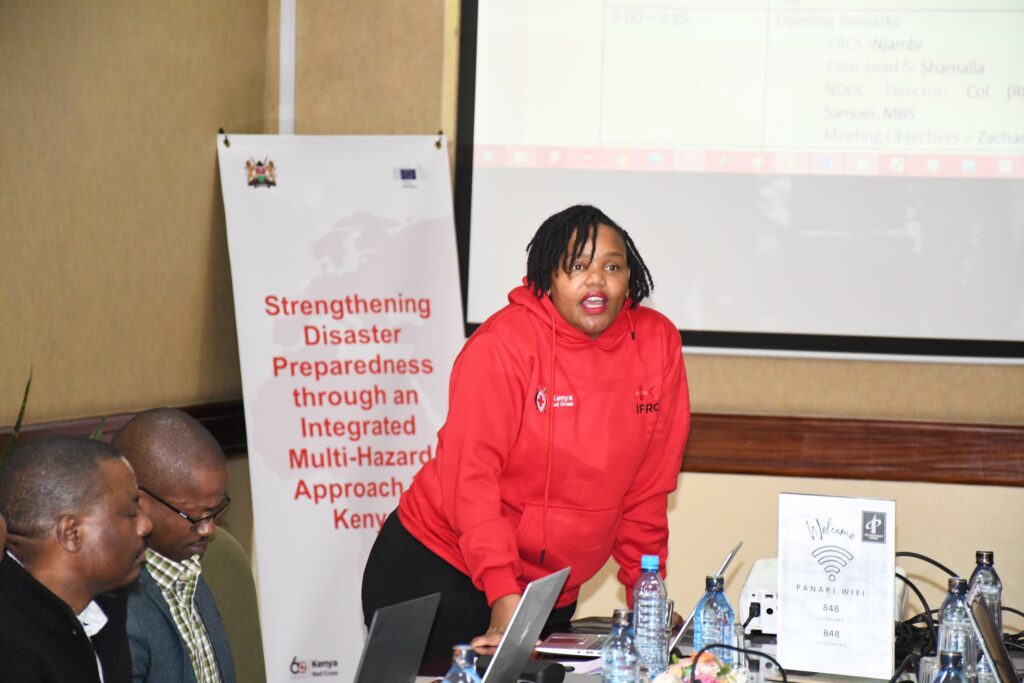
Since 2014, ICHA has developed a policy and advocacy footprint that translates Kenya Red Cross operational learning, research evidence and community realities into policy dialogue, legislative support, capacity strengthening and humanitarian diplomacy.
The work connects communities, practitioners, researchers and institutions so evidence moves beyond publication and becomes guidance, policy literacy, practical frameworks, dialogue and systems change.
Humanitarian evidence has greater value when it reaches decision-makers in a form they can use. ICHA works between frontline realities and the institutions that shape disaster risk management, anticipatory action, climate governance, localisation, humanitarian technology and public safety.
This includes supporting legislative and policy conversations, convening government and humanitarian actors, strengthening public policy capability and developing evidence-to-policy products for decision-makers.
Disaster law and disaster risk management systems: Supporting disaster response law, disaster risk management legislation and county-level disaster governance conversations.
Anticipatory action governance: Connecting early warning, impact-based forecasting and anticipatory action to policy and institutional decision-making, including engagement around the Kenya Anticipatory Action Roadmap 2024-2029.
Climate and nature diplomacy: Linking climate adaptation, humanitarian diplomacy, community resilience and climate-informed governance.
Localisation and locally led action: Supporting dialogue on localisation financing, humanitarian resource development and African-led evidence in humanitarian decision-making.
Humanitarian data and AI governance: Convening dialogue on cybersecurity, data protection, ethical AI and responsible technology use in humanitarian action.
Responder and public safety: Using evidence and advocacy to strengthen humanitarian responder safety, road safety reform, fire risk and safer public systems.
Kenya Anticipatory Action Roadmap 2024-2029: National policy framework work supporting anticipatory action governance and earlier humanitarian decision-making.
Nairobi Symposium on Cybersecurity and Data Protection: Regional dialogue on data protection, digital responsibility and humanitarian information governance.
KRCS Humanitarian Diplomacy Strategy 2025-2029: Technical support to strategic humanitarian diplomacy and policy influence within the Kenya Red Cross ecosystem.
Public policy training and capacity building: Policy literacy and advocacy capacity support for students, staff, volunteers, youth teams, civil society and practitioners.
Impact-based forecasting for anticipatory action: Policy-to-practice coordination connecting forecast information, early action and disaster governance systems.
Protecting Those Who Protect: Policy work focused on strengthening safety frameworks for humanitarian responders.
Existing policy-facing work includes material on humanitarian responder safety, climate, nature and humanitarian diplomacy, safer urban mobility and the role of research in locally led humanitarian action. These products demonstrate the unit's role in moving evidence into policy dialogue and practice.
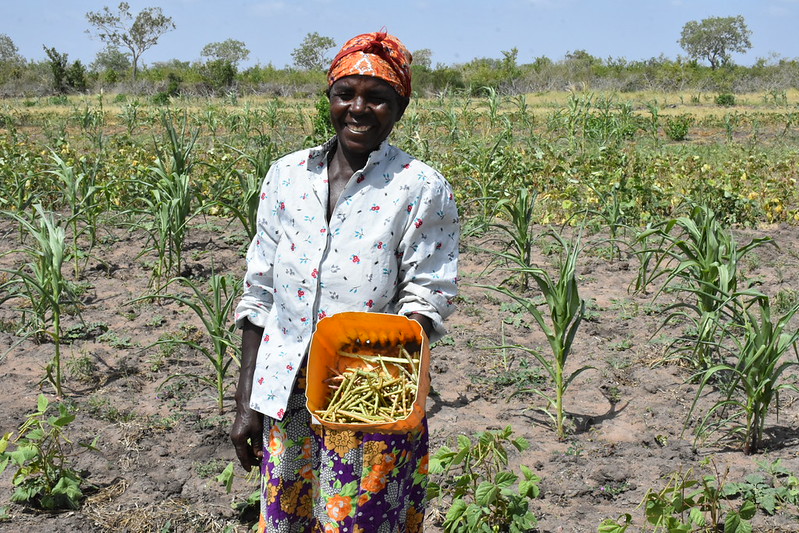
Turning Climate Intelligence into Action
Climate change is fundamentally changing the humanitarian risk landscape. From floods and droughts to extreme heat, displacement and threats to livelihoods, climate-related risks are becoming more complex, interconnected and difficult to manage. At ICHA, the Climate Unit works to bridge the gap between climate science, humanitarian decision-making and action.
We generate and translate evidence on climate and disaster risk, strengthen the use of climate information, and work with governments, humanitarian organizations, research institutions and communities to develop practical solutions that anticipate risk and build resilience.
ICHA undertakes applied research on pressing climate and humanitarian challenges so evidence can inform policy, strengthen humanitarian programming and support investment in resilience.
Climate information only creates value when it can be understood and used. ICHA works to translate complex weather, climate and risk information into clear, timely and decision-relevant intelligence for humanitarian and development actors.
This includes:
Climate intelligence briefs, policy briefs, research reports, technical reports, toolkits and guidelines, training resources, webinars and knowledge events support humanitarian policy and practice.
Building a Climate-Intelligent Humanitarian System
ICHA aims to become a trusted African centre for climate and humanitarian research, knowledge and innovation. We will continue to build evidence on emerging climate risks, strengthen the use of climate information in humanitarian decision-making, advance anticipatory action and support institutions to move from reactive crisis management towards anticipatory, resilient and climate-informed action.
Our ambition is to help create a future where:
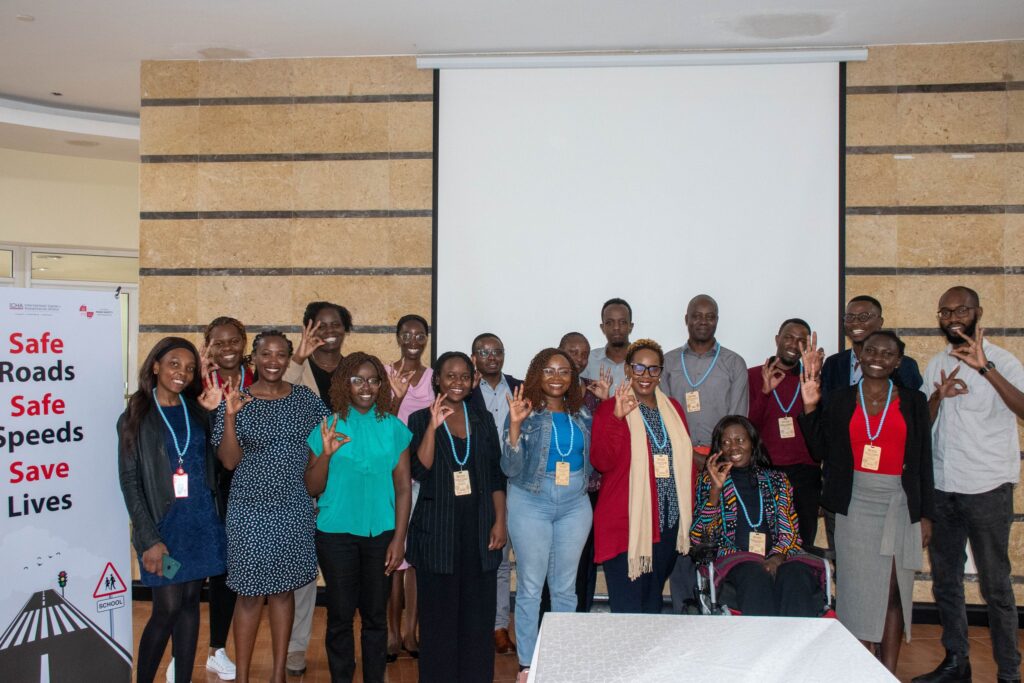
ICHA works to advance transport and mobility systems that are safe and inclusive. The people-centred approach prioritizes the protection of vulnerable road users while ensuring mobility systems reflect the realities and needs of the communities they serve.
The work is guided by the Safe System Approach, which recognizes that people make mistakes, road safety is a shared responsibility and no one should die or suffer serious injury as a result of a road crash.
This requires coordinated action across government, public and private transport providers, partners and communities rather than placing responsibility on individual road users alone.
ICHA works with stakeholders to strengthen road-safety governance and partnerships and to address behavioural risk factors that contribute to preventable death and injury.
Within this wider road-safety effort, ICHA advocates for 30 km/h speed limits in school zones, residential areas, markets and other areas with a high traffic mix between vulnerable road users and motorised traffic.
Reducing speed can lower both the likelihood and severity of crashes, helping save lives and prevent serious injuries while supporting safer, more sustainable and equitable mobility.
The work supports Kenya's progress towards the Global Plan for the Decade of Action for Road Safety 2021-2030, which aims to reduce road traffic deaths and injuries by 50% by 2030.
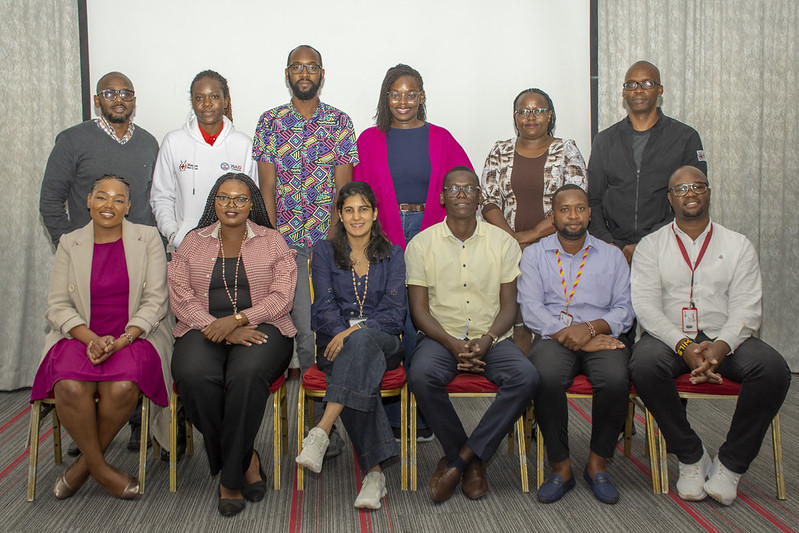
The Localisation Hub, currently hosted by Kenya Red Cross Society, serves as the implementing arm of the Localisation Alliance. It translates the Alliance's vision into practice through coordination, technical support, learning facilitation and project implementation.
The Hub delivers technical outputs for the Alliance, including development and hosting of a digital peer-to-peer learning platform, knowledge exchange among African National Societies and initiatives that strengthen institutional resilience, organizational development and financial sustainability.
The Localisation Alliance is a collaborative platform bringing together African National Societies committed to advancing stronger, locally led humanitarian and development systems. It provides space for aligned leadership, shared vision and coordinated action to accelerate localisation efforts across the continent.
The Alliance's work contributes to the Grand Bargain and IFRC National Society Development Compact, IFRC Strategy 2030 and the Agenda for Renewal, and commitments arising from the Pan-African Conferences of 2013 and 2017.
The Alliance comprises 12 African National Societies and 7 consortium partners.
The Alliance operates through a Steering Group that provides strategic direction, coordination and oversight. The supplied Hub material identifies volunteer leaders from participating National Societies in the following roles:
Technical and secretariat support is provided by the Netherlands Red Cross and IFRC. The governance structure is intended to promote transparency, accountability and collective decision-making in advancing the Alliance's guiding principles.
Financial sustainability: Supporting resource mobilisation, income diversification and long-term institutional resilience.
Institutional development: Strengthening leadership, governance, digital transformation and organizational development.
Knowledge sharing: Facilitating regional learning, peer exchange and documentation of tools and good practices developed by African National Societies.
The Alliance organizes technical work around four pillars that collectively support National Society self-reliance.
The MOFA II Initiative supports National Societies in strengthening financial sustainability and organizational development.
Five National Societies are being supported to undertake self-assessments on financial sustainability. Kenya Red Cross has completed its own assessment and is engaging other Alliance members to determine their interest in undertaking similar assessments.
Each participating National Society conducts its own self-assessment. No National Society assesses another. Kenya Red Cross shares its own experience and approach so interested National Societies can consider adapting it within their own contexts.
The initiative supports development of a digital platform for peer learning and peer exchange among African National Societies, with a focus on institutional resilience, financial sustainability and broader organizational development.
The supplied content records completion of an initial design phase. During a second design phase, National Societies participate virtually to learn about the platform, provide feedback and contribute to continued development and refinement.
Following planned financial sustainability workshops, the MOFA II Initiative is intended to support establishment of a National Society Development Working Group. The Working Group will identify National Societies that serve as centres of excellence across areas of organizational development and humanitarian action.
Supported by the Swiss Red Cross, Lead and Deliver promotes peer learning and exchange on digital transformation and innovation. Through the initiative, Kenya Red Cross supports four sister National Societies through peer learning and exchange.
The supplied Hub content records preparatory work including invitations to participating National Societies, with implementation activities linked to coordination between Swiss Red Cross and relevant regional coordinators in West Africa.
The digital platform provides a collaborative space where African National Societies can exchange knowledge, share practical experiences, access learning resources and contribute to collective organizational development.
It supports continuous learning across the Alliance's technical focus areas while strengthening collaboration among participating National Societies. Visit the Africa Localisation Hub platform.
The Localisation Alliance is a journey towards stronger, more resilient and self-reliant National Societies. Through collaboration, peer learning, technical support and shared leadership, the Alliance seeks to strengthen locally led humanitarian action across Africa.
Within ICHA's programme portfolio, the Africa Migration Research Hub strengthens migration evidence across the continent by working with Red Cross Red Crescent National Societies, migrants, researchers and partners to generate locally grounded evidence and translate it into practical insight for humanitarian action, policy and advocacy.
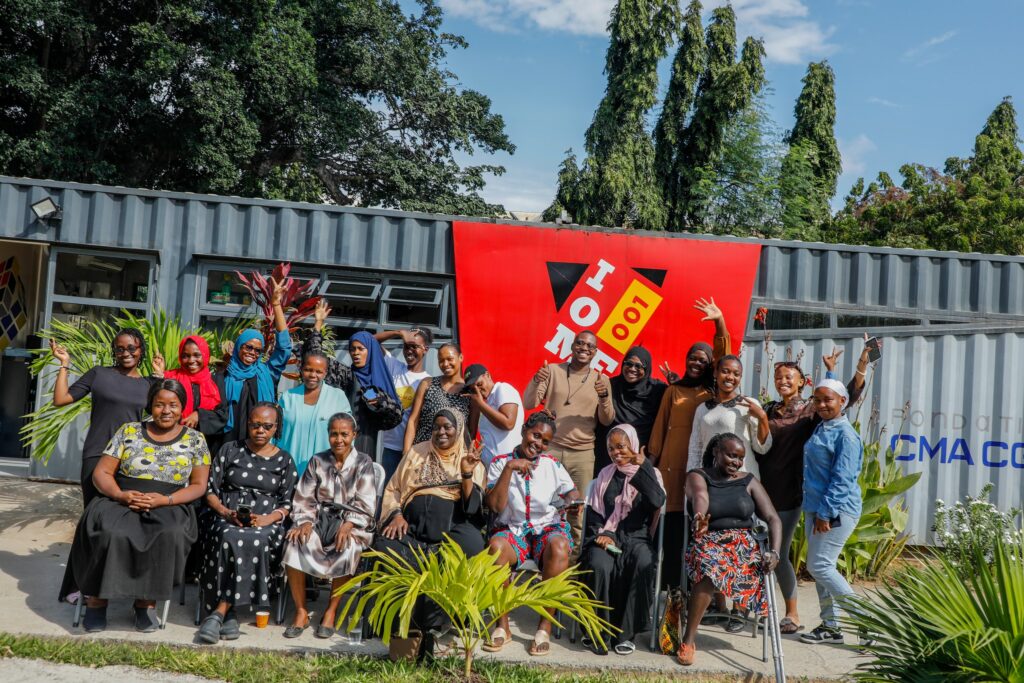
The Women Social Entrepreneurship Institute supports informal women entrepreneurs in Kenya's Coastal region to move from survival entrepreneurship towards sustainable businesses, greater financial autonomy and stronger leadership within their communities.
The programme was developed through cooperation between the French Red Cross and Kenya Red Cross Society, with support from the French Ministry for Europe and Foreign Affairs. The current programme profile identifies WSEI as founded in 2023, while the Mombasa report documents the earlier cooperation and programme development that led into the first cohort.
WSEI is hosted within the I.O.Me254 Innovation Labs of Kenya Red Cross in Mombasa, a safe innovation space with computers, internet and digital manufacturing tools that can support learning, prototyping and enterprise development.
WSEI is grounded in the reality that informal entrepreneurship is a major source of employment and income across Africa, while women entrepreneurs continue to face unequal access to skills, finance, networks and decision-making opportunities.
The programme profile notes that the informal sector accounts for nearly 83% of employment in Africa and 85% in Sub-Saharan Africa. Women make up 58% of the continent's self-employed population, yet women entrepreneurs across Sub-Saharan Africa earn 34% less profit than men on average.
In Kenya's Coastal region, these barriers intersect with unemployment, lower levels of financial inclusion, unpaid care responsibilities, gender inequality and gender-based violence. At the same time, the region has a strong informal economy, a vibrant Swahili culture, a growing blue economy and significant entrepreneurial potential.
WSEI therefore treats entrepreneurship support as more than business training. It is a pathway to strengthen livelihoods, reduce economic vulnerability, build confidence and agency, and support women to become resources and leaders within their communities.
The programme's documented objective is to support cohorts of informal women entrepreneurs from Mombasa to transition from survival entrepreneurship towards becoming business leaders in their communities.
The long-term ambition is to sustain and create jobs, strengthen and scale women-led businesses, increase financial autonomy and build the resilience of women and their communities.
The first documented programme used an eight-month incubation model delivered through weekly sessions and supported by Kenya Red Cross Society, French Red Cross experts and local entrepreneurship actors. Training was delivered in both English and KiSwahili.
The model strengthens three connected forms of capital: human, economic and social.
Human capital development focuses on the knowledge, skills and confidence required to run and grow a business. The documented curriculum included:
Economic capital development helps women take greater control of business finances and prepare for investment. The documented programme included:
WSEI also invests in the networks, confidence and support systems that allow women entrepreneurs to grow as leaders. This includes individual coaching with senior entrepreneurs or sector experts, mental health and wellbeing sessions, Gender-Based Violence discussions, social entrepreneurship, impact measurement and leadership training.
The I.O.Me space was used as a peer-support environment where women could learn together, build relationships and access a wider support ecosystem.
The Mombasa report documents a programme design process that deliberately involved local civil society organizations, entrepreneurship support organizations and community-based organizations. Local actors contributed to programme design, participant outreach, training, coaching and opportunities for participants to showcase their businesses.
Kenya Red Cross Society's local network was used to reach community-based organizations and women who were not already connected to the formal entrepreneurship ecosystem. Coaches were drawn from local senior entrepreneurs, Red Cross life members and entrepreneurship support organizations in Mombasa.
The first cohort selection process did not require a specific education level or formal business registration. Selection focused on the maturity of the business, the dedication of the entrepreneur, ability to participate in weekly sessions, understanding of English and diversity across sub-counties, ages and backgrounds.
The programme also supported applicants who had limited digital skills. The Mombasa report records that more than half of the first cohort had never participated in entrepreneurship training before WSEI.
The first cohort brought together 25 women working across sectors including food, farming, arts and craft, tailoring, retail, blue economy, cleaning, logistics, tourism, beauty, decoration and psychology.
The report documents participants ranging from relatively new entrepreneurs to women with significant business experience, including single mothers and women operating enterprises rooted in the Coastal region's culture, agriculture, services and circular economy.
The Mombasa impact report documents results from assessments conducted before the programme in February 2023 and after the programme in October 2023. The findings relate to the first cohort and should be read as results from that documented pilot experience.
The impact report records changes in business practices, including stronger pricing and costing, improved marketing, wider use of social media and business communication channels, and new opportunities to sell beyond participants' immediate communities.
Participants also reported stronger confidence in applying for loans, speaking to investors and developing business plans. Some opened or planned new branches and production facilities, while others expanded product lines and distribution.
WSEI was designed around the idea that stronger women-led businesses can contribute to wider community resilience. The report documents participants sharing business knowledge, mentoring other women, providing vocational training and taking on stronger leadership roles in community settings.
The first cohort report states that, on average, each woman supported and empowered 14 other women entrepreneurs. This community multiplier is central to the programme's aim of moving from individual enterprise support to wider local resilience and leadership.
The Mombasa report recognises the French Red Cross, Kenya Red Cross Society and the French Ministry for Europe and Foreign Affairs as central programme partners. It also records collaboration with Somo Africa, Strathmore Small Business Development Centre, Sinapis, Close the Gap, Swahili Pot, Ajira Digital, Ashoka Kenya, Keracc Consultancy, Kenya Revenue Authority, Sawa Sawa social business, CWID and YEPI, as well as support from CMA CGM.
The partnership model combines humanitarian reach, local networks, entrepreneurship expertise, coaching, market exposure and innovation infrastructure.
Innovation labs that create safe spaces for prototyping, training and locally led problem-solving.
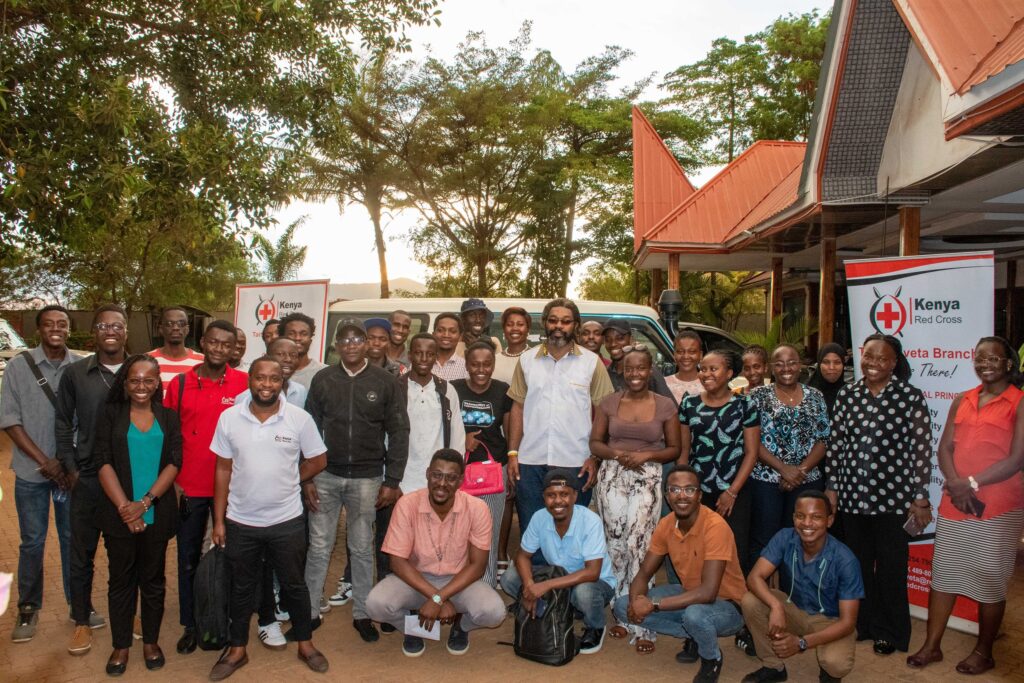
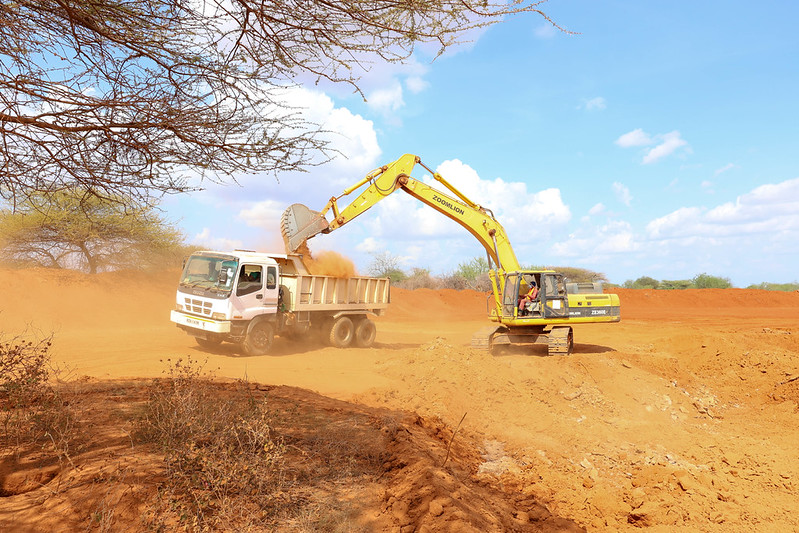
Through a consortium led by Kenya Red Cross Society and comprising Wajir Peace and Development Agency and Agency for Peace Initiatives and Inclusive Development, ICHA has supported the Kenya National Highways Authority in managing social risks associated with implementation of the Horn of Africa Gateway Development Project.
The broader Horn of Africa Gateway Development Project is a World Bank-supported regional initiative designed to improve transport connectivity, facilitate trade, strengthen digital infrastructure and enhance access to social services across the Horn of Africa.
In Kenya, the project focuses on sections of the Isiolo-Wajir-Mandera corridor, a strategic route connecting Kenya with Ethiopia and Somalia.
Northern Kenya experiences climate vulnerability, poverty, insecurity, limited access to essential services and historical marginalization. The project corridor crosses fragile and complex settings where infrastructure development must be accompanied by strong safeguards, community engagement, protection systems and accountability mechanisms.
The World Bank therefore incorporated extensive environmental and social safeguard requirements into project implementation, creating demand for specialised expertise in social risk management, stakeholder engagement, grievance handling and safeguarding.
The consultancy provides technical expertise to identify, mitigate and manage social risks associated with large-scale infrastructure investment.
The consultancy helped establish conditions for implementation of a major infrastructure investment in a fragile and historically underserved region. Working with government agencies, communities, contractors and local stakeholders, the assignment established systems and processes for identifying, managing and mitigating social risks throughout implementation.
Improved community trust and project acceptance: Sustained stakeholder engagement, dialogue and consultation helped make implementation more responsive to community concerns.
Strengthened accountability and transparency: Grievance redress mechanisms enabled communities to raise concerns and seek timely resolution.
Reduced social and operational risks: Emerging concerns were identified earlier and mitigation measures supported before issues escalated into disputes that could affect project delivery.
Enhanced safeguarding and protection systems: Awareness, prevention measures, referral pathways and support mechanisms were strengthened around GBV, SEA, Sexual Harassment and child protection risks.
Increased participation of vulnerable and marginalized groups: Structured opportunities enabled women, youth and affected communities to engage in project decision-making processes.
Strengthened local capacity: Community structures, watch groups, grievance committees and stakeholder platforms strengthened longer-term social risk management, accountability and community engagement.
Supported World Bank safeguards compliance: Social risks were systematically identified, monitored and managed through the project implementation process.